Pune
+919373619006
+919373619006

K Care Clinic

about-cover-bg image
About K Care Clinic

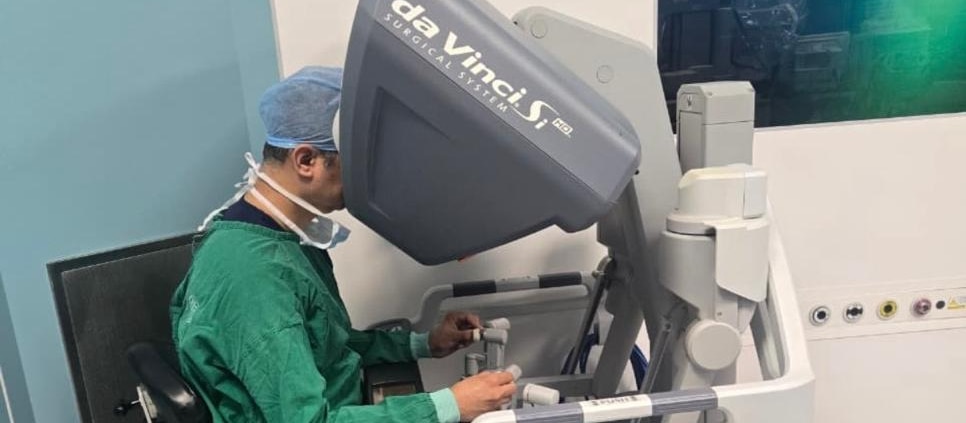
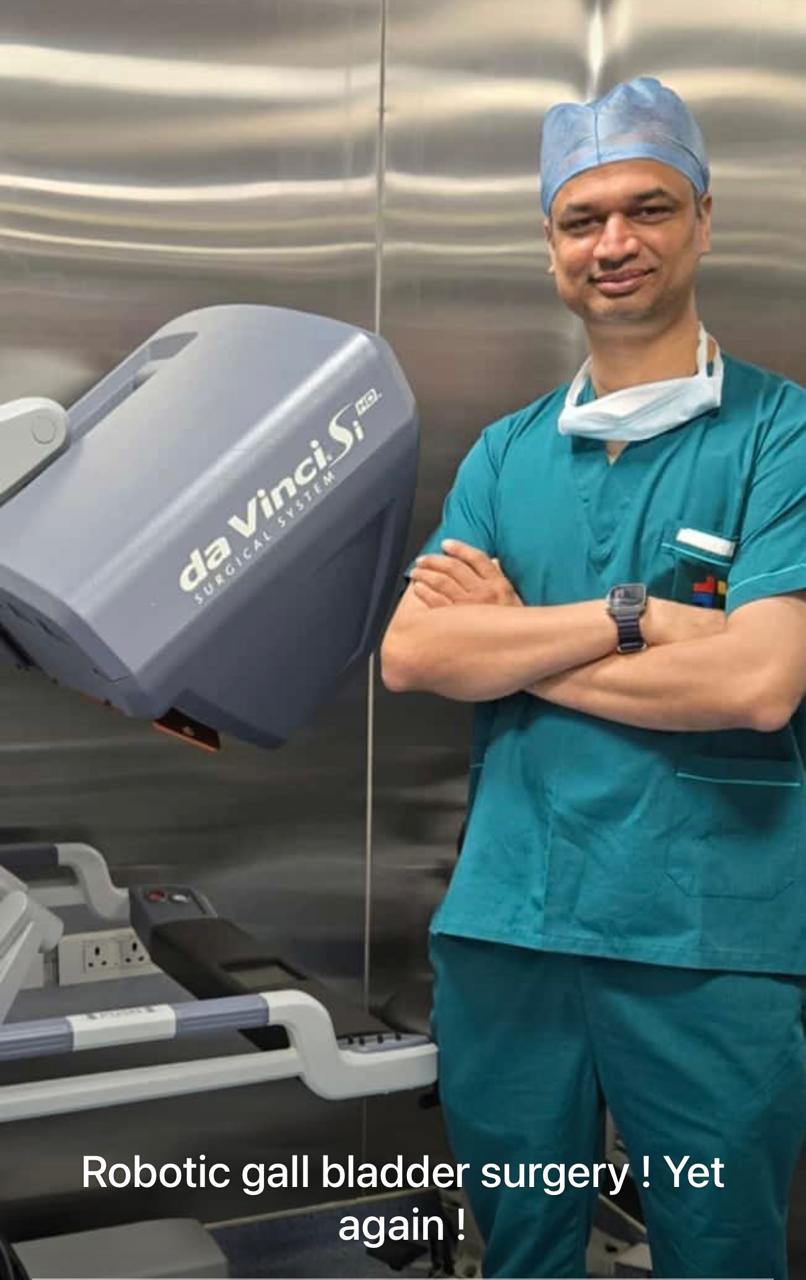
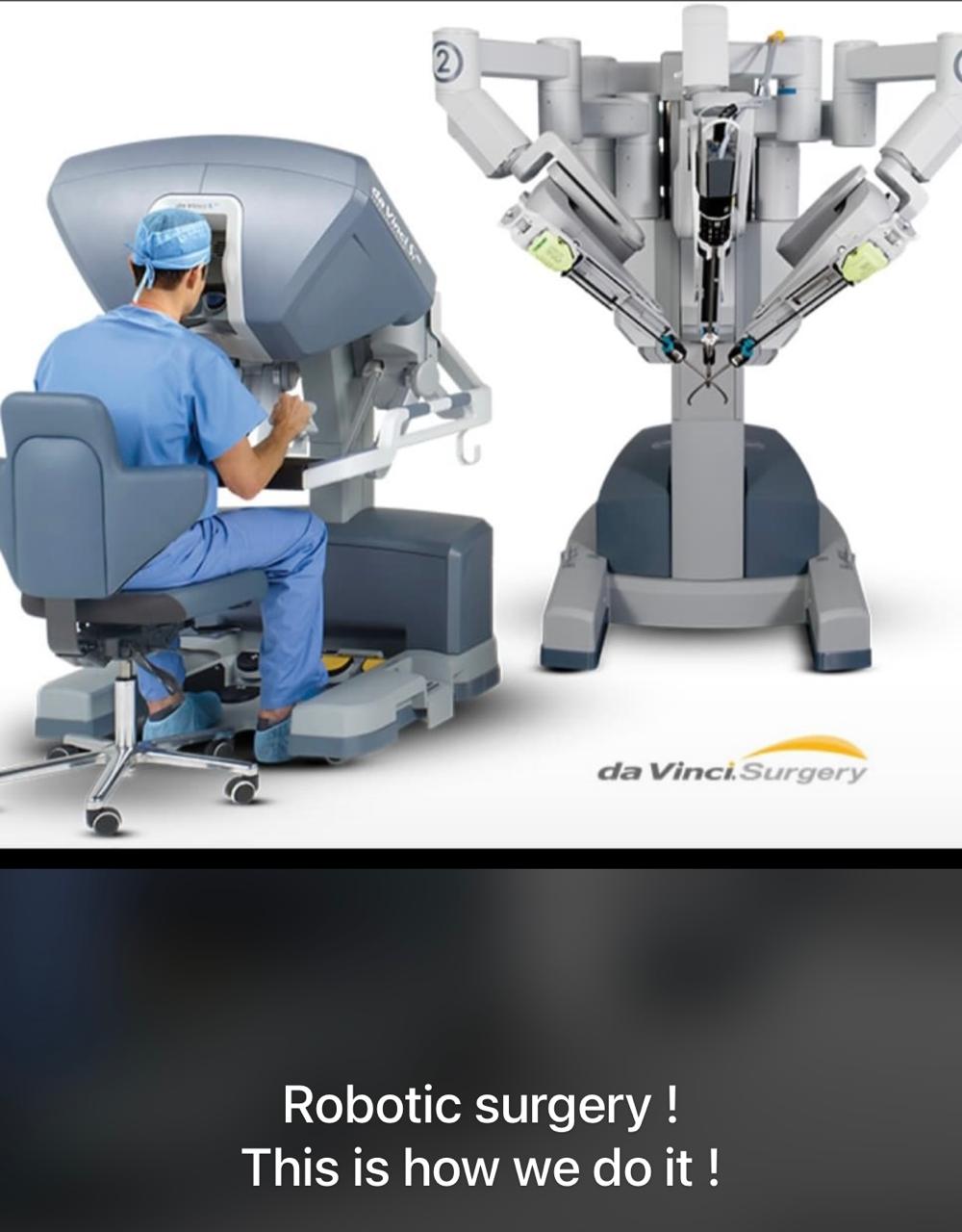
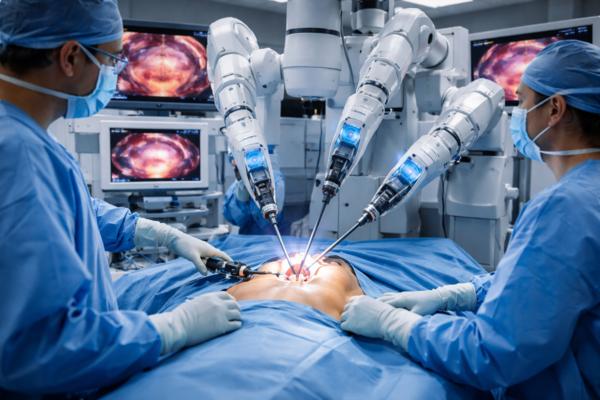
The Best Laparoscopic & Robotic Surgeon in pune

Services
Featured Services

What We Do

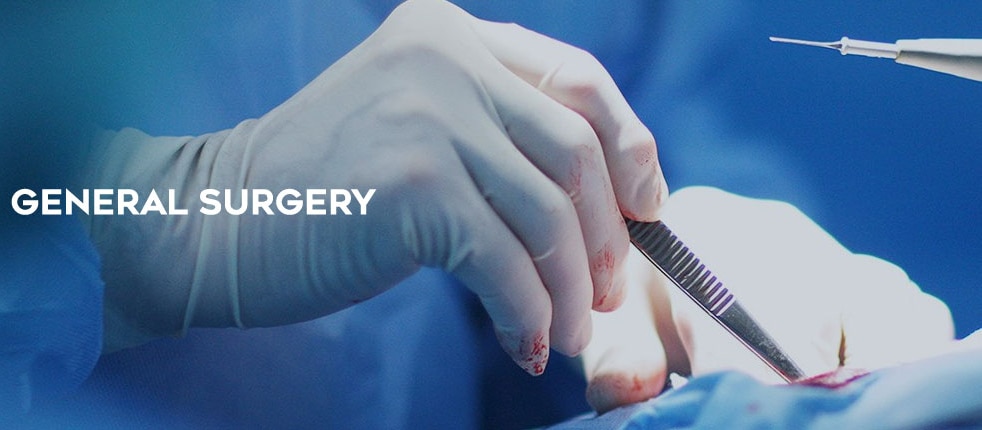
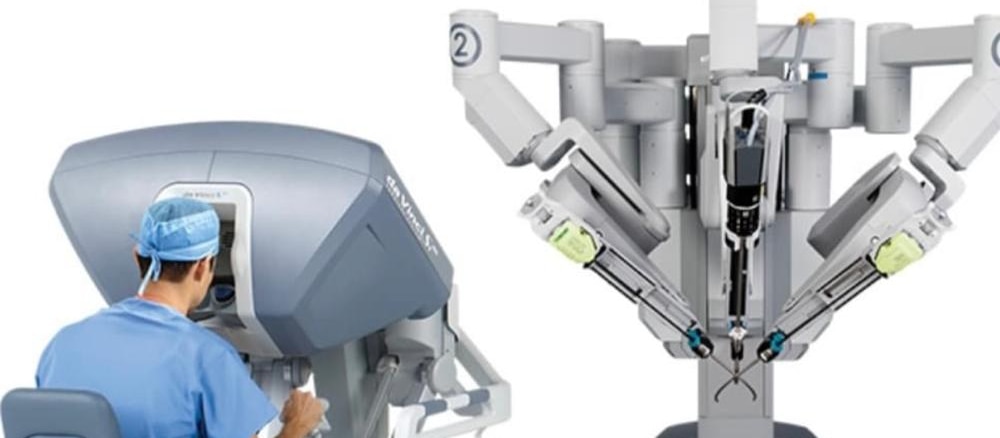
Laparoscopic Surgery

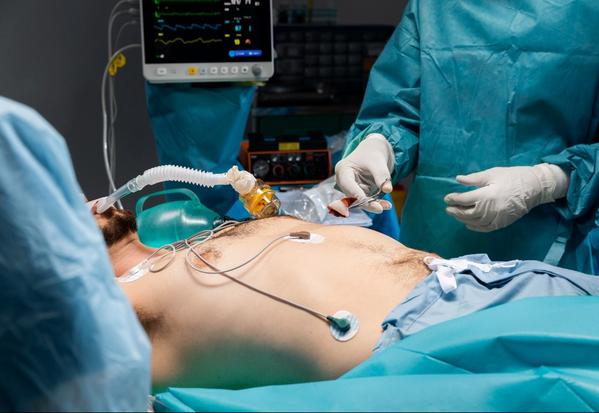
Laparoscopic surgery, also called minimally invasive or “keyhole” surgery, is a modern surgical technique that uses small incisions, a camera, and specialized instruments to perform procedures inside the abdomen or pelvis. Compared to traditional open surgery, it results in less pain, smaller scars, and a faster recovery The procedure During a laparoscopic procedure, a surgeon typically follows these steps: The patient is given general anesthesia to relax muscles and prevent pain. A small incision, usually near the belly button, is made. A tube is inserted to fill the abdominal cavity with carbon dioxide gas. This inflates the area, separating the abdominal wall from the organs for a clearer view. A laparoscope—a thin tube with a camera and light—is inserted through the incision. Images from the camera are projected onto a high-definition monitor, guiding the surgeon through the operation. One or more additional small incisions are made to insert other surgical instruments. After the procedure is complete, the instruments are removed, the gas is released, and the incisions are closed with stitches or surgical glue. Common uses and types of surgery Laparoscopy can be used for both diagnostic purposes (to find a problem) and to perform surgery. Common uses include: Gallbladder removal (cholecystectomy): A common laparoscopic procedure for removing a diseased gallbladder. Appendectomy: The surgical removal of an inflamed appendix. Hernia repair: For repairing various types of hernias, particularly in the abdomen. Gastrointestinal procedures: Including anti-reflux surgery (fundoplication), colon surgery (colectomy), and gastric bypass surgery. Urological procedures: For removing a kidney (nephrectomy) or treating other urinary tract conditions. Diagnostic evaluations: To investigate unexplained abdominal or pelvic pain, growths, infections, or assess the stage of certain cancers. Benefits and risks Benefits Compared to traditional open surgery, laparoscopic surgery offers several advantages: Smaller incisions and scars: The small cuts are less invasive and result in smaller scars. Less pain: Smaller incisions cause less tissue damage, leading to a quicker and more comfortable recovery. Reduced risk of infection and bleeding: Limited exposure of internal organs minimizes the risk of contamination and blood loss. Shorter hospital stay: Many patients can be discharged the same day, and hospital stays are generally shorter. Faster recovery: Patients can return to normal activities much sooner. Risks While generally safe, laparoscopic surgery does carry some risks, which are usually rare: Infection and bleeding: At the incision sites. Injury to organs or blood vessels: This can happen from the instruments and is more likely in patients with previous abdominal surgeries. Shoulder pain: Referred pain in the shoulder is common for a couple of days due to the carbon dioxide gas irritating nerves. Abdominal bloating: From the gas used during the procedure. Complications from anesthesia: As with any surgical procedure. Recovery Recovery varies depending on the procedure's complexity, but most patients experience a faster recovery than with open surgery. Pain management: Mild pain around the incision sites and in the shoulder is common but can be managed with medication. Activity: Light walking is encouraged soon after surgery to promote circulation. Strenuous activity should be avoided for several weeks. Diet: A fluid and soft-food diet may be recommended initially. Normal eating can resume as tolerated. Returning to work: Many patients can return to work within a few days to a few weeks.

Laser Surgery

Laser surgery is a medical procedure that uses concentrated, high-intensity light beams instead of a traditional scalpel to cut, vaporize, or remove tissue. Because of its precision and minimally invasive nature, laser surgery is used across a wide range of medical specialties How it works Laser surgery works on the principle of selective photothermolysis, where a specific wavelength of light is targeted at certain tissue cells that contain light-absorbing molecules called chromophores. The laser light is absorbed by the chromophores in the target tissue. The energy is converted into heat, damaging or destroying the targeted cells while leaving surrounding healthy tissue unharmed. Different types of lasers are used depending on the procedure and the tissue being treated. For example, a CO2 laser is often used for surface-level procedures, while a deeper-penetrating Nd:YAG laser can be used for internal issues. Common applications Laser surgery is used for both cosmetic and medical purposes. Vascular Surgery: Treats varicose veins Urology: Breaks up kidney and gallstones into smaller fragments (laser lithotripsy). Anorectal Surgeries : For treatment of Piles, Fissure, Fistula and Pilonidal sinus. Benefits and risks Benefits: High precision: Allows surgeons to work on a very small area with minimal damage to surrounding tissue. Minimally invasive: Often results in less bleeding, pain, and scarring compared to traditional surgery. Faster recovery: Patients typically experience shorter recovery times and can return home sooner. Risks: Potential side effects: These can include pain, swelling, scarring, infection, and skin discoloration. Patient eligibility: Not everyone is a suitable candidate. A thorough evaluation by a doctor is necessary to determine if the procedure is appropriate and safe.

Breast Surgery

Breast surgery covers a wide range of procedures performed for medical reasons, such as treating cancer, and for cosmetic or reconstructive purposes. Operations can vary from removing cancerous tumors to altering the size, shape, or appearance of the breasts. Medical and preventative breast surgeries Lumpectomy: This is a breast-conserving surgery that removes only the cancerous tumor and a small margin of healthy tissue around it. Mastectomy: This procedure involves removing the entire breast, including all the breast tissue. Total (simple) mastectomy: The surgeon removes the entire breast but leaves the chest wall muscles intact. Modified radical mastectomy: The entire breast is removed along with most of the lymph nodes under the arm. Radical mastectomy: This is a more extensive procedure that removes the entire breast, chest wall muscles, and all underarm lymph nodes. Nipple-sparing mastectomy: The breast tissue is removed, but the skin, nipple, and areola are preserved, which can improve the cosmetic result of immediate reconstruction. Prophylactic (preventive) mastectomy: This surgery removes one or both breasts to prevent cancer in individuals with a very high risk, often due to a strong family history or a genetic mutation like BRCA1 or BRCA2. Lymph node surgery: This is performed to determine if cancer has spread to the lymph nodes. Sentinel lymph node biopsy (SLNB): The surgeon removes only the first one to three lymph nodes that receive drainage from the tumor. This reduces the risk of side effects like arm swelling (lymphedema). Axillary lymph node dissection (ALND): A larger number of underarm lymph nodes are removed. Surgical breast biopsy: A small sample of breast tissue is removed for laboratory testing to diagnose a potentially cancerous lump. Considerations for breast surgery Risks: As with any surgery, risks include bleeding, infection, and reactions to anesthesia. Specific risks depend on the procedure but can include scarring, changes in sensation, and implant-related issues. Consultation: Before surgery, a patient meets with their surgeon to discuss goals, medical history, and treatment options. It is important to have realistic expectations about the results. Recovery: The recovery time depends on the specific procedure. Patients will receive post-operative instructions for wound care and activity restrictions.

Need Trusted Second Opinion?

Not sure about your diagnosis or treatment plan? We're here to help.

Doctor's Profile Picture

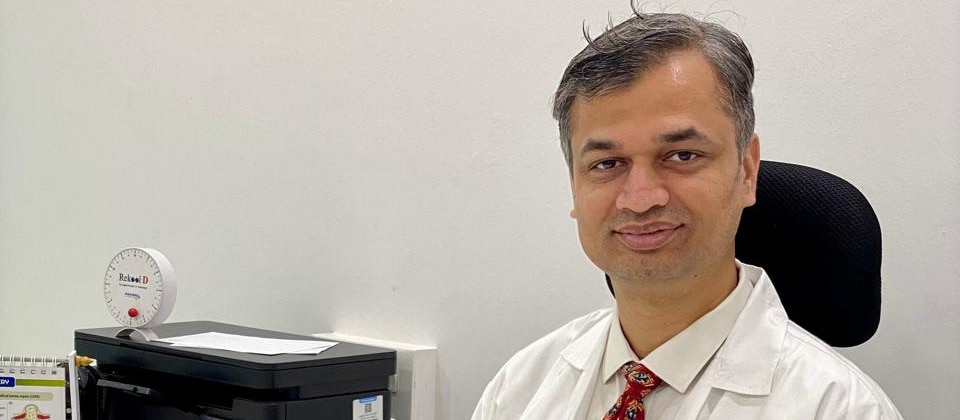
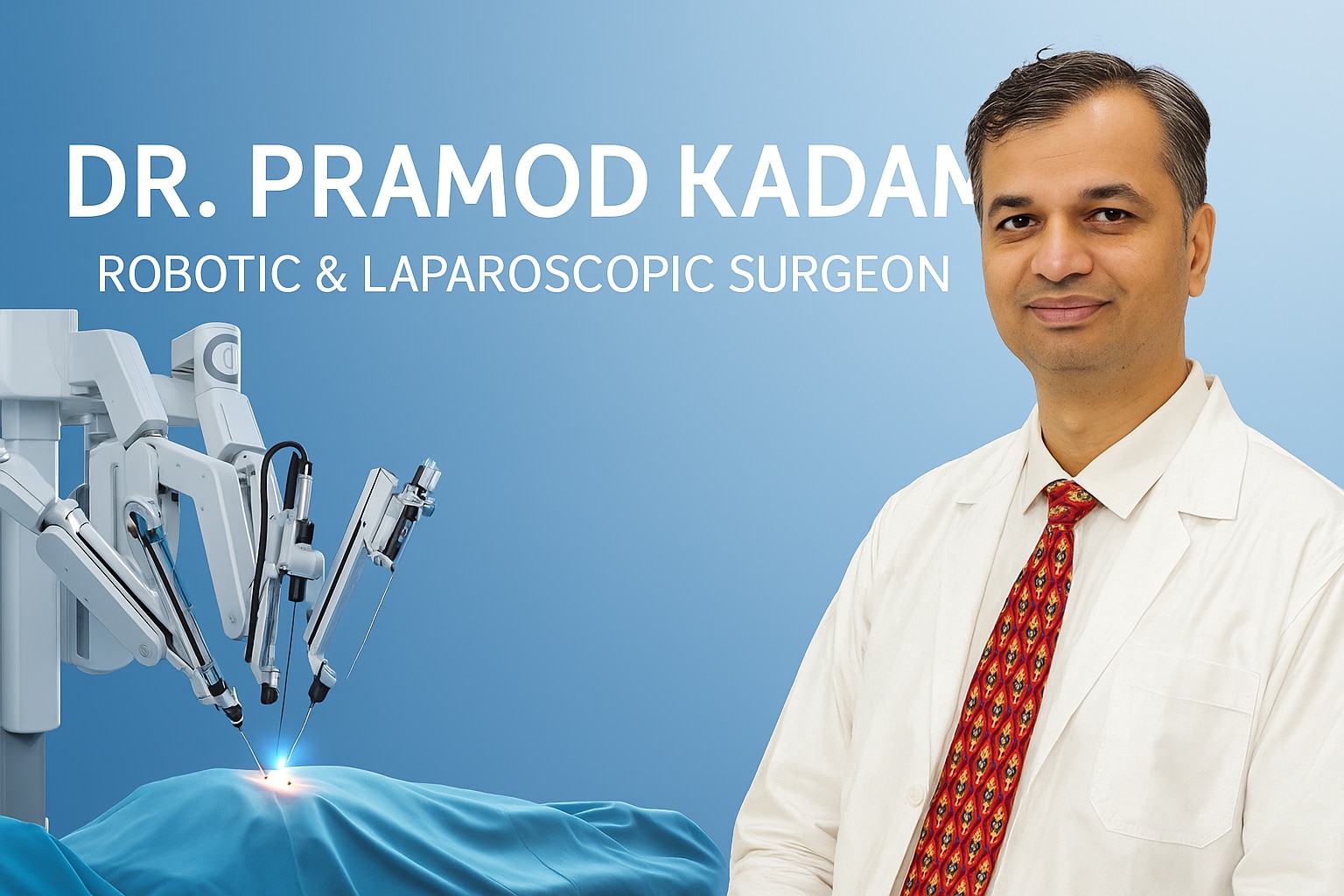
Dr. Pramod Janardhan Kadam

Dr. Pramod Janardhan Kadam

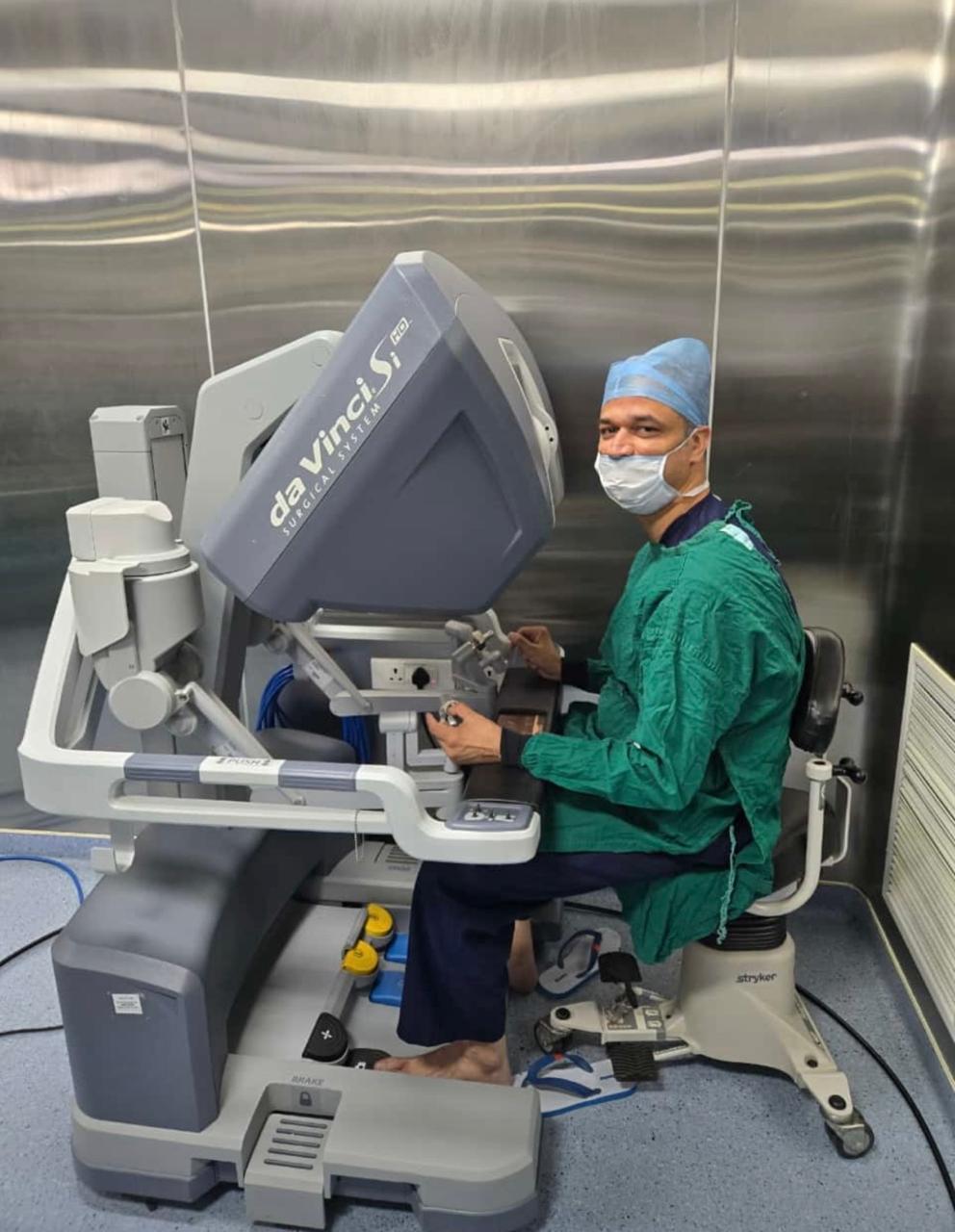
Robotic and Laparoscopic Surgeon. M.B.B.S, DNB General Surgery. Mobile No. 9373619006
Pune

Speciality

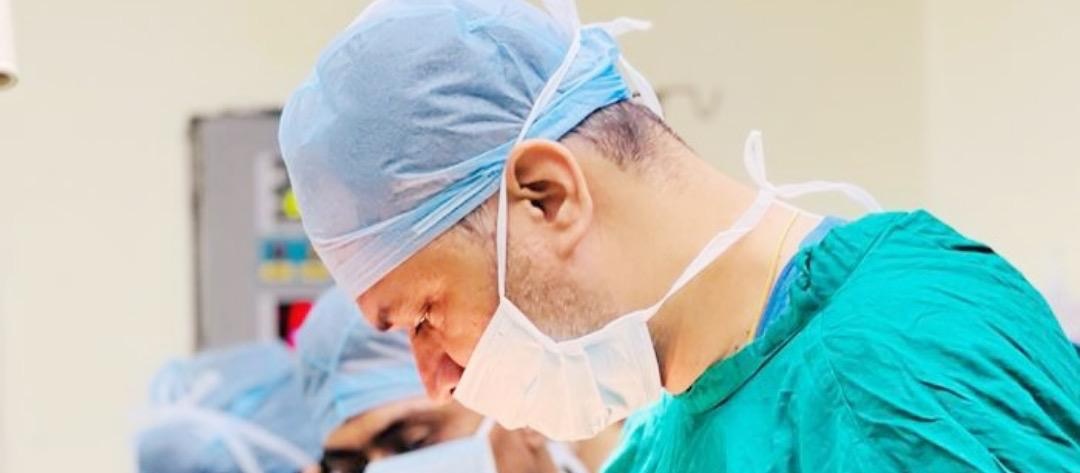
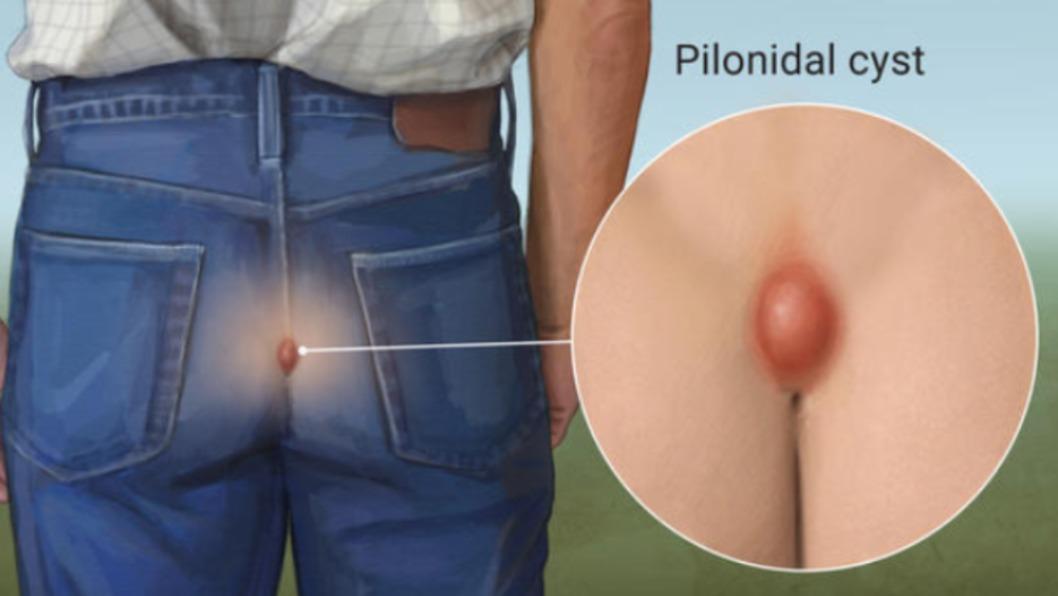
Leading Robotic and Laparoscopic Surgeon in Pune, with over a decade of experience in Gastrointestinal , General and Trauma Surgeries. * Key Specialties: Hernia Repair, Gallbladder Surgery, Appendix Surgery, Laser Piles, Fissure, Fistula and other Anorectal Surgeries, Proctoscopy, Pilonidal Sinus, Rectal Prolapse Surgery, Intestinal Surgeries, Diabetic Foot Care, Breast Surgery, Thyroid Surgery, Burn Injuries and Skin Grafting, Stapler Circumcision, Rafaelo Surgeries, Torsion Testis and Ovaries, Hydrocele, Lymph nodes, Lipoma, Cyst, Abscess, Corn, Wart and Toenail Removal, Benign and Cancer Surgeries.


Education

Robotic and Laparoscopic Surgeon. M.B.B.S, DNB General Surgery. Mobile No. 9373619006


Experience

12 years


Mobile

9373619006

Memberships

Member of Pune Surgical Society

Registration No

2007124223

Image Gallery

Pictures That Speak

Testimonials View All
testimonial image

Dr. Pramod Kadam performed my appendix surgery, who is a great surgeon and consultant. Dr. Pramod Kadam is also one of t...

Read More

testimonial image

Dr. Pramod Kadam in Pune was outstanding for my wife’s gallbladder surgery. His expertise, clear communication, and comp...

Read More

testimonial image

I recently visited Dr. Pramod Kadam for the treatment of an abscess, and I couldn’t be happier with the entire experienc...

Read More